From Bin to Beauty: The Allure of Modern Upcycling
In a world increasingly conscious of its environmental impact, the art of turning trash into treasure has taken center stage. Modern upcycling, often described as the process of repurposing waste materials into new, often beautiful and functional items, is not just a trend - it's a movement. This article explores the multifaceted appeal of upcycling in the modern era, its societal benefits, and creative ways to embrace this sustainable practice.
What is Upcycling? A Modern Definition
Upcycling differs fundamentally from recycling. While recycling breaks down materials to produce new raw resources, upcycling literally means giving waste a second, more valuable life. From DIY decor to commercial creations, upcycling is about reimagining the potential of the old and discarded.
- Recycling: Processing waste to make new raw materials.
- Upcycling: Adding value by creatively reusing waste without breaking it down.
A upcycled product not only keeps materials out of landfills, but often has unique character and environmental value.
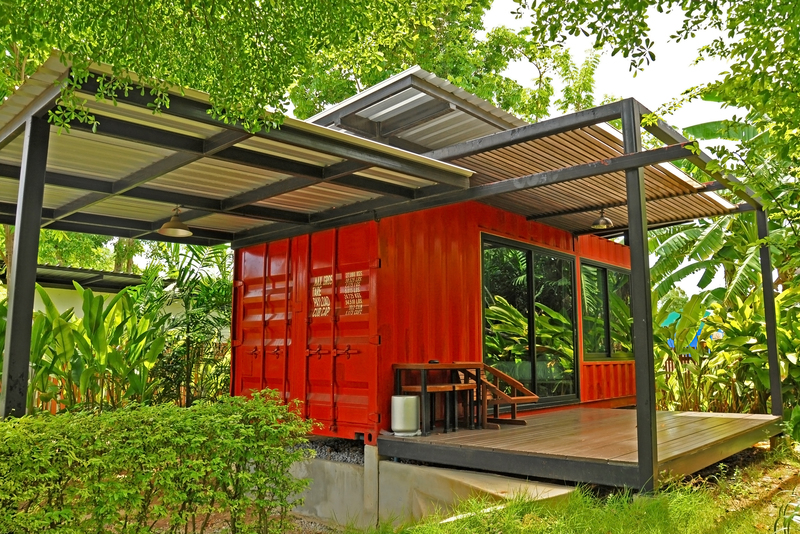
The Rising Popularity of Modern Upcycling
Why has modern upcycling achieved such mainstream allure? The answer lies in its convergence of sustainability, innovation, and creativity.
- Sustainability: As awareness of environmental issues grows, consumers and businesses are increasingly choosing upcycled products to reduce their carbon footprint.
- Individuality: Upcycled goods are often one-of-a-kind, showcasing the creator's vision and craftsmanship.
- Cost-effectiveness: Creators and buyers alike benefit from the affordability of repurposed materials.
- Community and Self-expression: Upcycling allows individuals and groups to tell stories, preserving cultural heritage or making social statements.
In recent years, popular brands and artists have made upcycling mainstream, transforming discarded goods from bins into objects of beauty and desire.
Environmental Benefits: From Waste Reduction to Resource Conservation
Repurposing waste via upcycling is a sustainable approach that brings multiple environmental gains:
1. Significantly Reducing Landfill Waste
Landfills across the world are overflowing with everyday trash - much of it potentially reusable. Upcycling pulls items back from the brink, reducing waste and extending the lifecycle of products.
2. Lowering Resource Consumption
Unlike manufacturing new products, upcycling requires minimal new resources. This decreases the energy, water, and raw materials consumed, curbing negative environmental impact in the process.
3. Decreasing Carbon Emissions
Because upcycled goods often skip industrial processing, there are fewer greenhouse gas emissions. This carbon-conscious approach is critical to combating climate change.
4. Promoting a Circular Economy
Modern upcycling is an integral pillar of the evolving circular economy, which seeks to close the loop on production and waste. Items are continuously reused and repurposed, maximizing value and minimizing pollution.
The Artistic and Emotional Allure of Upcycled Creations
Upcycling is not just about environmental or financial savings - it's also a fountain of artistic expression. The fusion of old and new, the transformation of the discarded into the desirable, speaks to the human urge to create and reconnect with our belongings.
- Uniqueness: Each upcycled piece often has a story or history, giving it added personal significance for owner and maker alike.
- Creativity: Repurposing challenges artists and crafters to push creative boundaries, often resulting in strikingly original items.
- Emotional Value: Items saved from the bin and given new life can carry immense sentimental value - a piece of a loved one's old shirt, for example, reused as a vibrant cushion cover.
From fashion and furniture to art installations, upcycled works often become conversation starters, turning waste into wonders that brighten living spaces and lives.
Modern Upcycling Across Industries
Upcycling is not confined to homes and small businesses; it's making big waves in diverse sectors. Let's explore how different industries are embracing this sustainable revolution:
Fashion: High Style Meets Sustainability
Fashion is one of the most dynamic arenas for upcycled creations. Brands are transforming textile waste, vintage garments, and surplus materials into avant-garde fashion statements.
- Denim Revival: Old jeans are repurposed into patchwork jackets, bags, and accessories.
- Jewelry: Discarded watch parts, metals, or beads become stunning, wearable art.
- Couture: Designers upcycle pre-loved fabrics, breathing new life into heirloom clothing for bespoke, eco-friendly collections.
This blend of innovation and conservation attracts consumers who want their wardrobes to reflect both style and values.
Furniture and Interior Design: Eco-Chic Living
Modern interiors are embracing upcycled solutions. Old wooden pallets become coffee tables, abandoned ladders are transformed into unique bookshelves, and wine crates morph into stylish storage units.
- Statement Pieces: Upcycled furniture brings a fresh aesthetic, combining rustic charm with contemporary flair.
- Customization: Each piece can be tailored, making it as personal as it is practical.
Eco-conscious homeowners and interior designers use upcycling to create green spaces that don't compromise on comfort or beauty.
Art and Installations: Upcycled Masterpieces
Artists are harnessing waste to challenge conventions and spark conversations. From scrap metal sculptures to expansive murals crafted from bottle caps, upcycling is shaping the modern art world.
- Public Art: Cities are commissioning upcycled installations that reflect community spirit and inspire environmental stewardship.
- Gallery Works: Upcycled art graces exhibitions worldwide, proving that discarded materials have endless potential.
Technology and Electronics
Tech enthusiasts are also getting creative in the upcycling movement. Old computers, keyboards, and electronic components are reimagined as lamps, clocks, and quirky decor. This not only diverts e-waste from landfills but also presents an artistic challenge.
How to Start Upcycling: A Guide for Beginners
You don't need to be an artist or an expert crafter to embrace the allure of modern upcycling. Follow these steps to unlock your creative potential:
Step 1: Reimagine Potential
- Look at everyday waste--old jars, furniture, clothes, electronics--with fresh eyes.
- Ask: Can this item be repurposed, repaired, painted, or transformed?
Step 2: Aquire Basic Tools and Skills
- Start with essentials: glue gun, paints, basic carpentry or sewing kit.
- Online tutorials and community classes offer guidance for beginners.
Step 3: Plan Your Project
- Sketch your ideas. Decide on style, color schemes, and materials needed.
- Gather required items, either from your own bins, thrift shops, or community swaps.
Step 4: Get Crafting!
- Experiment fearlessly. Some of the best upcycled projects emerge from mistakes and improvisation.
- Document your process and share your creations for inspiration and feedback.
Step 5: Join the Movement
- Connect with others by attending local workshops, joining online upcycling communities, or participating in eco-markets.
Creative Upcycling Ideas to Inspire You
If you're unsure where to begin, consider these simple projects to add charm and character to your space or wardrobe:
- Mason Jar Lanterns: Old glass jars become beautiful lanterns with wire, paint, and LED lights.
- Furniture Revamps: Sand and repaint old chairs or tables for a striking makeover.
- Pallet Gardens: Wooden pallets can be converted into vertical gardens or planters for balconies and patios.
- T-Shirt Totes: Outgrown or damaged t-shirts become durable, eco-friendly shopping bags--no sewing required!
- Bottle Cap Art: Collect metal or plastic caps and arrange them into colorful mosaics for unique wall decor.
These projects are just the beginning; the only true limits are your imagination and willingness to experiment.
Challenges and Misconceptions in the Upcycling Movement
Despite its growing popularity, modern upcycling faces a number of hurdles:
- Quality Concerns: Some believe that upcycled products are inferior, but with skilled craftsmanship, upcycled items can meet or exceed new products in quality and durability.
- Availability of Materials: Access to good quality discarded materials can be limited depending on location.
- Time Investment: Upcycling can be time-consuming, but many find the process creatively rewarding and therapeutic.
- Misconceptions: Upcycled isn't just "junk art"--it encompasses everything from functional furniture to fine fashion.
By addressing these challenges, individuals and businesses can help upcycling reach its full potential as a mainstay in modern lifestyles.
Modern Upcycling's Positive Social Impact
Upcycling generates powerful ripple effects far beyond the reduction of waste. It creates new jobs, supports local artisans, and boosts regional economies. For example:
- Social enterprises often use upcycled materials to empower marginalized communities with valuable skills and income opportunities.
- Upcycling fosters a culture of repair and reuse, strengthening communities and reducing social isolation through shared projects and workshops.
- Public upcycling campaigns raise environmental awareness and encourage policy shifts toward more sustainable management of resources.
The Future of Upcycling: Trends to Watch
The upcycling revolution is just gaining momentum. New technologies are making the process more accessible and scalable, and shifting consumer values are driving innovation.
Emerging Trends Include:
- Digital Marketplaces: Growing online platforms connect upcycled creators with global buyers.
- Collaborations: Brands partner with local artisans to produce unique, limited-edition upcycled collections.
- Smart Design: Product designers increasingly embrace modular design and updatable objects, making future upcycling easier.
- Corporate Responsibility: Large manufacturers integrate upcycling into supply chains, minimizing waste at the source.
As society continues to value authenticity, creativity, and sustainability, the allure of upcycling is poised to grow exponentially.
Conclusion
From bin to beauty, the world of modern upcycling is fascinating, sustainable, and deeply rewarding. Whether you're a novice crafter or a seasoned designer, there's a place for you in the upcycling movement. By reimagining the potential of discarded materials, you can help shape a more beautiful, conscious, and connected future--one upcycled creation at a time.
So next time you stand over a bin, wondering what to toss, ask yourself: Could this be transformed from trash into treasure? The answer might just unlock your own modern upcycling journey.
