House clearance in Welwyn
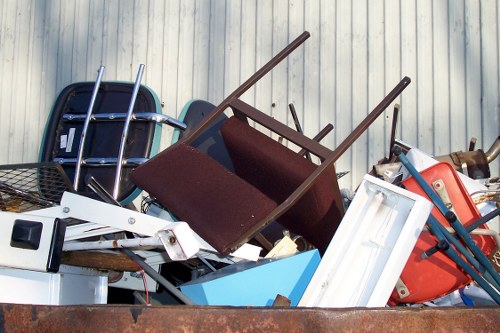
House clearance in Welwyn helps homeowners, landlords and executors deal with household contents in a careful, organised way. The service can cover a single room, a full property or selected items that need removing before a sale, letting, refurbishment or probate process. We focus on practical clearance work that creates a clear result without unnecessary disruption, while keeping the work suited to the type of property and the items involved.
Our approach is straightforward: identify what needs to go, separate reusable or recyclable items where appropriate, and remove the agreed contents in a planned sequence. That can include furniture, white goods, mixed household goods and general clutter, depending on the job. If you are comparing options, pricing and quotes is a useful place to start when you want to understand how the work is assessed. Clear instructions at the outset help the clearance stay efficient and ensure the right items are dealt with.
For many customers the main benefit is not just removal, but restoring usable space and making the property easier to move on to its next stage. Our clearance service is designed to be practical, tidy and adaptable to the amount of contents present. If you need to clear a family home, a rented property or an inherited house, the service can be tailored to the rooms, access and item types involved. If you are ready to take the next step, request a quotation when it suits you.
What our house clearance service covers
House clearances often involve more than simply lifting items away. They usually need sorting, separating and deciding what should be removed from each room. That can include wardrobes, beds, sofas, tables, chairs, appliances, books, ornaments, boxed belongings and general household clutter. We work from the agreed scope so the service matches the property and does not remove items that should remain in place. For fuller property clears, home clearance explains the broader domestic service approach.
When a property contains a mixture of usable furniture and items that have reached the end of their life, a planned clearance helps keep the work orderly. It also gives room for sensible decisions about what should be handled separately, such as furniture that can be moved intact versus items that need dismantling first. Where the job is focused specifically on household furniture, furniture clearance is relevant to those parts of the work. In some cases, the property may need only a partial clear rather than every room.
Typical tasks can include:
- Removing unwanted household contents from one or more rooms
- Clearing bulky items that are difficult to move without help
- Handling mixed contents in a property that has been left full
- Separating goods that may be suitable for reuse, where appropriate
- Taking away general items that no longer need to stay on site
Clearing different room types

Different parts of a house can need different clearance methods. A loft may contain stored boxes, seasonal decorations and long-kept items that need careful sorting before anything is moved. A garage may have tools, shelving, DIY materials and older household possessions mixed together. These spaces often become catch-all storage, so the practical work is to identify what stays, what goes and what needs to be carried out in stages. For loft-specific work, loft clearance gives a direct route to that service.
Garages and similar outbuildings can be awkward because of access, dust, damp storage or tightly packed items. The process is usually more effective when the clearance is based on the layout of the space rather than trying to treat it like a simple room clear. If the job is centred on a garage, garage clearance is the most relevant service page. For a house with rooms, loft and garage all needing attention, each area can be approached in the right order so the work remains manageable.
Where a property includes outdoor clutter as well as internal belongings, it is sensible to distinguish between indoor household contents and materials that belong elsewhere. That helps avoid confusion and keeps the job focused. Customers often want a single clear outcome: a property that is easier to view, sell, let or prepare for further work. The value of the service lies in handling the practical detail behind that result, especially when the contents have built up over time.
Furniture, fittings and reusable items
Furniture removal is one of the most common parts of a house clearance. Sofas, chairs, beds, wardrobes and tables can take up a large amount of space and may need careful movement through stairways or narrow hallways. Some items can be moved intact, while others may need dismantling first. The right method depends on the item, the room layout and the access available. When the work is mainly about larger household pieces, furniture disposal is a relevant option to consider alongside clearance.
There are also cases where the service needs to distinguish between items that are unwanted and items that still have value or usefulness. That can matter in probate situations, downsizing and landlord-led clearances where only part of the contents should be removed. A good clearance plan looks at the whole picture rather than treating every object the same. If you are looking for a broader overview of domestic item handling, house clearance remains the core service page for the main residential offering.
In practical terms, this kind of work may involve:
- Identifying larger items that need two-person handling
- Checking whether items should be dismantled before removal
- Leaving agreed possessions in place and separate from clearance goods
- Keeping access routes clear during loading
- Matching the disposal method to the item type where possible
Home, flat and smaller-property clearances
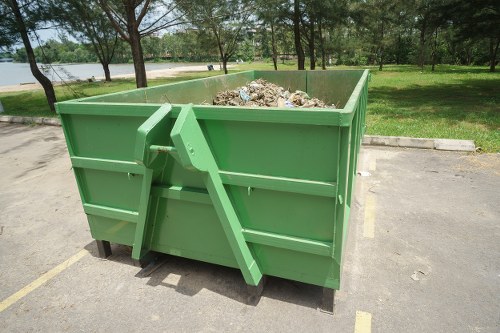
Not every clearance involves a full detached house. Flats and smaller homes can be equally demanding because stair access, shared entrances and tighter internal space can make even a modest amount of furniture feel awkward to remove. The practical difference is often not the amount of contents alone, but the route they must take out of the building. For properties with limited access or apartment layouts, flat clearance is the most direct match for that type of work.
In homes where the clearance is spread across living rooms, bedrooms, kitchens and storage spaces, the main decision is how much of the property should be dealt with at once. Some customers want a single-room clear; others need the contents of the entire property removed before cleaning or decorating can begin. For a straightforward domestic overview, home clearance is useful when you want the work tied to the property rather than only to a single category of item.
The best results usually come from a clear scope. That means knowing whether the job includes just bulky items, a complete household clear or a combination of rooms and stored belongings. It also means matching the service to any restrictions such as parking, stairs, shared access or items that require extra care. Keeping those details clear at the start helps the clearance stay efficient and keeps the final result aligned with what the property needs.
Waste removal and builders waste
Some house clearance projects produce more than standard household contents. Old shelving, broken fixtures, packaging, leftover DIY materials and general building debris may need to be removed alongside domestic items. In those cases, it helps to separate general house clearance from waste that is better handled as refurbishment or project debris. For mixed non-domestic material, waste removal is a relevant service alongside clearance work.
If the property is being prepared after decorating, renovation or repair work, the amount of debris can vary from light offcuts to heavier fragments and mixed site waste. That needs a slightly different approach from a normal room clearance because the load may contain irregular materials rather than furniture and belongings. For those situations, builders waste clearance is the best-fitting option on the site. It allows the clearance to be matched to project waste rather than forcing it into a domestic-only pattern.
The distinction matters because different contents require different handling, loading and sorting. A house can contain household possessions in one room and renovation waste in another, and the service works better when those groups are treated separately. If you are preparing a property after works of any kind, grouping the contents before removal helps make the process more predictable. It also reduces the chance of removing items that should have stayed on site until later.
How we plan a clearance
A good clearance begins with a sensible plan rather than a rushed start. The job is easier to organise when the main rooms, access points and types of contents are clear from the outset. That allows the work to be arranged in the right sequence, especially if bulky furniture, storage areas and mixed household goods are all involved. A concise list of the rooms and items is usually enough to start shaping the job. If you would like to see the service levels that can be arranged, pricing and quotes is the natural place to compare the available approach.
Photographs can be useful where they show the scale of the work, the type of items involved and any access limitations such as stairs or tight hallways. An inventory can also help when the property contains a mixture of furniture, personal effects and ordinary household waste. This kind of information does not need to be complicated; it simply helps make the quotation more accurate and the clearance more predictable. When a property is being dealt with by family members or agents, a clear scope saves time for everyone involved.
Before the work begins, it also helps to agree what should remain in the property. That avoids uncertainty and makes it easier to separate the agreed clearance items from possessions that are staying. Accuracy at the start is often the simplest way to keep the later stages tidy. If a room includes items of uncertainty, those can be identified before removal rather than dealt with after the fact.
House clearance for sales, lettings and probate

House clearances are often requested when a property is changing hands or needs to be prepared for the next stage of use. That may mean a sale, a new tenancy, refurbishment or estate administration. Each situation has its own priorities, but the common requirement is to create a property that is cleared according to the agreed scope. The work can be partial or complete, depending on what the property needs and what must stay in place.
In probate or inherited-property situations, the contents may have both practical and personal significance, so the clearance has to be handled carefully and in the right order. It may be appropriate to separate paperwork, personal effects, furniture and general waste before the main removal begins. Where the main issue is the contents of a home after an ownership change, about us gives more general background to the business, while this page focuses on the house clearance service itself.
For landlords and agents, the key concern is often the condition of the property at handover. A clear internal space can make follow-on works easier to plan and can remove the delay caused by leftover contents. Even where the job is relatively small, the same principles apply: keep the agreed scope clear, separate what remains from what goes, and make sure the removal matches the property’s next step. If you are at that stage now, it is a good time to request a quotation.
Recycling, sorting and responsible disposal
House clearance is not just about lifting items away; it also involves deciding how different materials should be handled after removal. Some contents are straightforward household items, while others may be broken, mixed or unsuitable for reuse. The aim is to route the right materials to the appropriate next step where possible and to keep the clearance organised from start to finish. For a broader view of how materials are handled, recycling and sustainability explains the company’s general approach to that side of the work.
Mixed domestic contents can include wood, textiles, metal, small electrical items, soft furnishings and general rubbish, all in the same property. That is why a clearance needs sorting and judgement, not only transport. Some items are easier to separate than others, and the type of material can affect the handling method. Where furniture is involved, the distinction between reusable and end-of-life items may influence how it is removed and processed. If you need the related item-only route, furniture disposal may be the more specific fit.
Responsible handling also benefits the customer because it gives the clearance a clear structure. Items are not simply taken in bulk without thought; they are dealt with according to what they are and what they require. That is especially important when a property contains a mix of everyday contents, older furniture and miscellaneous belongings. A structured clearance keeps the work practical and gives the customer confidence that the process has been properly considered.
Request a quotation for house clearance in Welwyn

If you need house clearance in Welwyn, the easiest next step is to outline the property, the rooms involved and the kind of contents that need removing. That gives room for a quotation based on the work itself, rather than a guess. Whether the job is a full house, a flat, a loft or a partial clear, a clear scope helps the service match the property. For contact-related details, contact us when you are ready to begin.
It is usually helpful to mention access details, any bulky items and whether the property contains mixed contents, stored goods or items that need to stay behind. A simple description is often enough to get started, especially if you are comparing a few rooms against a fuller clearance. If you want to check the domestic service in more detail before you send anything through, house clearance remains the main page for the core offering.
When you are ready, ask for a quotation and we can help shape the work around the property and the items involved. The service is there to make the practical side of clearing a home more manageable, from the first room through to the final load. If you are planning ahead, now is a sensible time to request a quotation.
About Welwyn
Welwyn is a village in Hertfordshire with a long history shaped by its position on the route between London and the north of England. The modern settlement grew from the medieval village and the nearby remains of Roman Devana and the later town of Welwyn Garden City, though Welwyn itself remains a distinct place with its own centre and character. The River Mimram runs through the parish and has helped define the village’s landscape, with water meadows and tree-lined stretches contributing to a green setting that feels different from the denser urban places nearby. The village core includes St Mary’s Church, whose tall tower is one of Welwyn’s best-known landmarks, and the street pattern around the centre still reflects older settlement forms rather than a modern grid. Historic buildings, independent shops and period houses give the village a layered architectural feel, while the surrounding lanes lead quickly into open countryside. Nearby attractions such as the Roman baths at Welwyn Roman Baths, the church and village green, and the wider chalk valley landscape all add to the place’s identity. Although it is close to larger towns and transport routes, Welwyn has retained the character of a traditional Hertfordshire settlement with historic continuity, local services and a landscape shaped by both river and road.